

When renovating a new home, have you ever felt perplexed about how to select the right interior design style? Faced with such a wide array of options, do you feel overwhelmed and unsure where to begin? The process of choosing a design style can indeed be a source of indecision—especially when confronted with so many popular trends. Selecting the right style can double both the aesthetic appeal and the functionality of your home; however, blindly following trends without careful consideration can easily lead to a common pitfall: a home that looks beautiful but is impractical to live in.
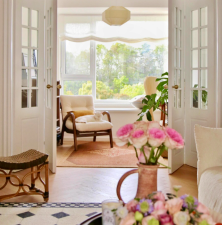
First, clarify your three core requirements to avoid "sacrificing livability for the sake of style."
Determine the "Stylistic Tone" Based on Floor Plan Size
Small Apartments (≤ 90 m²): Prioritize styles that emphasize "minimalist structural work and maximum storage," such as Minimalist, Nordic, or Japanese styles. These styles predominantly feature light color palettes (whites, creams, light grays) and avoid complex ceiling designs or feature walls. They utilize visually "light" furniture (such as sofas with slender legs or glass coffee tables) to create a sense of spaciousness, while simultaneously incorporating ample storage solutions (such as floor-to-ceiling wardrobes or built-in cabinetry) to prevent clutter.
Medium to Large Apartments (≥ 120 m²): You can experiment with styles that prioritize "rich textures and strong design elements," such as Light Luxury, New Chinese, or American styles. Larger spaces can accommodate a greater number of design features (such as floating ceilings, sintered stone feature walls, or solid wood furniture); however, it is crucial to maintain a clear distinction between "primary and secondary" areas. Avoid simply piling design elements throughout the entire home—for instance, you might opt for intricate detailing in the living room while keeping the bedrooms simple and understated, thereby striking a balance between aesthetics and comfort.
Determine the "Stylistic Tier" Based on Budget
Essential-Needs Budget (100 m² / ≤ ¥150,000): Choose styles that offer "high cost-effectiveness and ease of execution," such as Nordic style (utilizing latex paint and natural wood furniture, with minimal custom-built cabinetry) or Modern Minimalist style (featuring basic ceiling designs and laminate flooring, with soft furnishings like throw pillows and curtains used to add pops of color and vibrancy). Avoid high-end materials (such as sintered stone or solid wood wall paneling), and instead utilize cost-effective alternatives—such as wood-grain tiles in place of solid wood flooring—to keep costs under control.
Enhanced Budget (100㎡ ≥ ¥200,000): You can upgrade to a "premium texture" style—such as Light Luxury (incorporating localized metal accents and glass elements) or New Chinese (featuring solid wood furniture and slatted feature walls). Allocate your budget strategically toward "core areas" (e.g., focusing intensive design efforts on the living room and master bedroom while keeping secondary bedrooms simple) to avoid "spreading your efforts too thin" across the entire house, which often leads to budget overruns.
Tailor "Functional Suitability" to Your Lifestyle Habits
Households with Elderly Residents / Children: Opt for styles that are "stain-resistant and bump-proof," such as Modern Minimalist (using washable latex paint on walls and non-slip tiles on floors) or Japanese Style (featuring furniture with rounded corners and minimizing sharp decorative objects). Avoid complex suspended ceilings (which trap dust and are difficult to clean) and carpets (which easily harbor dirt and grime).
Young Singles / Couples: Feel free to experiment with "personalized" styles—such as Industrial (featuring concrete walls and metal light fixtures) or "Ins-style" (characterized by macaron color palettes and soft furnishings). Prioritize "social functionality" (e.g., installing an open-plan bar in the living room or converting the balcony into a leisure zone) to strike a balance between aesthetic appeal and lifestyle enjoyment.
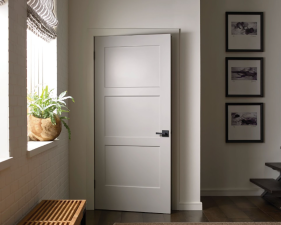
Guide to Choosing a Renovation Style:
Clarify Your Renovation Needs:
First, outline your specific renovation requirements. Is this intended to be a long-term residence or merely a transitional home? This distinction will determine the level of financial investment and personal effort you should commit to the project.
Determine Your Budget:
Budget requirements vary significantly across different design styles. Based on your available funds, you can select a renovation style that fits your financial constraints. A limited budget might call for a minimalist style, whereas a more generous budget allows for the selection of luxurious styles.
Consider the Homeowner's Age:
Homeowners of different age groups possess distinct lifestyles and needs. Choosing a renovation style that is appropriate for your specific age group will significantly enhance your daily comfort and quality of life.
Assess the Property's Floor Area:
Larger properties are well-suited for luxurious styles—such as French, Chinese, or European—while smaller properties tend to be better suited for styles like Nordic or Modern Minimalist.
Draw Inspiration from Online Renderings:
Begin by gathering images of various design styles online; once you have identified a style that appeals to you, proceed with further planning. However, bear in mind that online images serve merely as references; the actual design must be adapted and adjusted to suit the specific conditions and characteristics of your own home.
Consider the Property's Characteristics and Functional Requirements:
Different structural layouts and functional requirements within a home call for different renovation styles. For instance, small spaces might opt for a modern minimalist style to create a sense of openness, whereas homes that receive an abundance of natural sunlight are well-suited for bright, airy interior design styles.
Build Outward from Color:
Much like materials and furnishings, color serves as a powerful visual cue—a specific "symbol"—that can guide you toward identifying your preferred design style. For example, if you have a fondness for blue, a traditional Chinese-style aesthetic becomes less likely, while a fresh, modern style becomes a much more probable choice.
Consolidate Your Renovation Requirements:
This is a pivotal step. By systematically organizing your needs, you gain a much clearer understanding of your specific renovation goals and objectives.
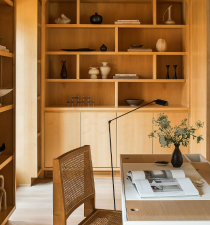
Bringing It to Life: 3 Key Details to Avoid the "Render vs. Reality" Discrepancy
Control "Element Density": Avoid the "Cluttered" Look
Aim to keep the proportion of specific stylistic elements to 30% or less. For instance, in a "light luxury" style, restrict metallic accents to specific areas—such as a living room feature wall or wardrobe handles—rather than applying metal elements to every wall and piece of furniture throughout the house. Similarly, for a "New Chinese" style, use decorative wooden lattice work on a single accent wall rather than covering every wall; this prevents "over-designing," which can create a visually oppressive atmosphere.
Color Coordination: Follow the "6-3-1 Principle"
Limit the total number of colors used throughout the entire home to no more than three.
Arrange them according to the following ratio: 60% Dominant Color (walls, flooring) + 30% Secondary Color (furniture, curtains) + 10% Accent Color (soft furnishings, decorative accessories).
- Minimalist Style: Dominant White (60%) + Secondary Light Gray (30%) + Accent Black (10%)
- Nordic Style: Dominant Cream/Off-White (60%) + Secondary Natural Wood Tones (30%) + Accent Light Blue (10%)
Avoid using "highly saturated colors over large surface areas" (e.g., painting the entire house bright red or vivid yellow), as this can easily lead to visual fatigue.
Reserve "Flexible Space": Avoid "Permanent, One-and-Done" Renovations
In terms of "hardscaping" (fixed structural elements), minimize the use of permanent, built-in features (such as elaborate feature walls or custom-fitted cabinetry). Instead, prioritize leaving room for interchangeable "soft furnishings" (such as curtains, throw pillows, and decorative artwork); this makes it easy to adjust your home's style later on. For example, painting living room walls with a solid-color latex paint—rather than installing a custom mural—allows you to simply swap out your soft furnishings if you decide to change your style in the future, thereby significantly reducing the cost of future renovations.